Realistic Plane Crashing RPCS Crash Physics Guide
Stage spectacular, readable crashes in Realistic Plane Crash Simulator — energy, angles, cameras, and vehicle choice.
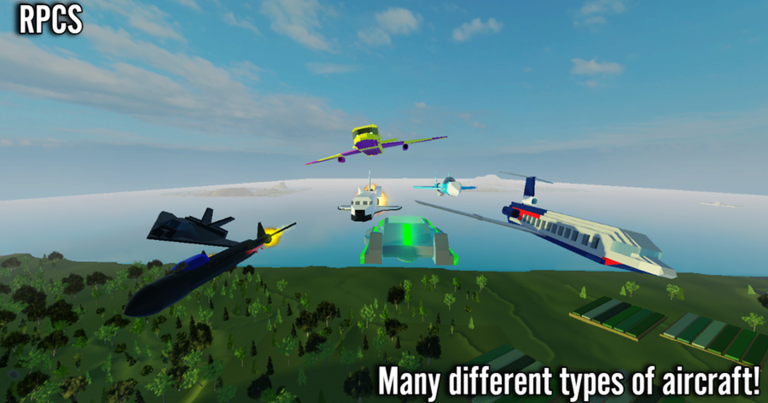
Crash physics are the heart of Realistic Plane Crashing. RPCS leans into breakup spectacle: wings shear, engines tumble, fuselages slide. This guide shows how to aim that chaos so your clips look intentional instead of like a confused stall into the void.
What “realistic” means here
Roblox physics are still a game approximation. In RPCS, “realistic” means:
- Parts separate under stress instead of vanishing into a single fireball every time.
- Energy and angle change the readout — glancing blows differ from nose-first smashes.
- Large airframes produce longer post-impact stories than light props.
It does not mean certified accident investigation fidelity. Treat results as cinematic.
Core variables you control
- Vehicle mass & shape — pick from Airliners or Fighters.
- Impact angle — wings-level slides read clearer than inverted spasms.
- Speed at contact — too slow and nothing breaks; too fast and the camera loses pieces.
- Surface — water, sand, cliff, and trees each tell a different story.
- Camera — chase height decides whether viewers see shear or only smoke.
Warm up with Controls so you can hold those variables steady.
Staging templates
Template A — classic overrun
Narrowbody, long straight approach, late reject energy, settle past the far end into dirt or shallow water. Great first “I meant to do that” clip.
Template B — ditching
Reduce descent rate, keep wings level, accept RPCS slap. Film horizon + splash. Works well near islands mapped in the Map guide.
Template C — ridge shear
Fighter or light jet clips a hillside with one wing. The fuselage continuing onward is montage gold.
Template D — multi-engine cascade
Widebody hits uneven terrain so engines depart on staggered timings. Needs S-tier heavies from the Tier List Hub.
Template E — vertical helicopter lesson
Settle a heli into a deck or shipwreck area for rotor debris distinct from fixed-wing cartwheels.
Filming workflow
- Scout location without the hero aircraft.
- Spawn, set weather/time if available options help contrast.
- Rehearse the line once at low commitment.
- Shoot three takes minimum.
- Free-cam wreckage before cleanup.
- Note which vehicle + template combo worked for your editor.
Creators who recreate famous accidents in RPCS follow similar loops — patience beats spam respawn.
Physics troubleshooting
| Problem | Try this |
|---|---|
| Instant vaporize | Lower impact speed; use heavier airframe |
| No wing shear | Add slight bank or hit a sharper edge |
| Debris invisible | Raise graphics; move camera above smoke |
| Lag spikes | Switch to quieter server; fewer overlapping spawns |
| Boring slide | Add slope or partial water transition |
Ethics & tone
RPCS crashes are toys. When referencing real accidents in recreations, keep respectful titles and avoid mocking victims. Many community creators already model that tone.
Tools you do not need
Flight-assist scripts and noclip paths flatten the skill that makes RPCS clips interesting. Read Scripts for risks. Codes will not alter physics — see Codes.
Practice plan
Day 1: Template A on a narrowbody. Day 2: Template B near a mapped beach. Day 3: Template C with a fighter. Day 4: mix templates into a 60-second montage. Return to Getting Started if friends need onboarding before collab shoots.
Aim the mess. Realistic Plane Crashing rewards pilots who treat physics like an instrument, not a random punchline.
Sharing sets with friends
Call your impact line on voice or chat, wait for cameras, then commit. Stagger respawns so debris stays readable. A polite server culture produces better Realistic Plane Crashing montages than twenty overlapping widebodies fighting for the same cliff.
Frequently Asked Questions
Quick answers about Realistic Plane Crash Simulator.
Why do some crashes look better than others?
Angle, speed, vehicle mass, surface, and camera height all change how clearly parts separate. Use the staging templates on this page.
What plane is best for filming crashes?
Narrowbodies are the best practice tools; widebodies give the biggest spectacle once you can hold an approach.
Can scripts improve crash physics?
Most public scripts target other games and risk your account. Vanilla staging produces better, safer clips.
How do I practice water landings?
Use Template B: lower descent rate, wings level, and film with the horizon visible. Expect hard slaps — that is part of RPCS.